Trust and Fiduciary Structures

Trust Fund: Trust Structuring and Trust Company Licensing

A trust fund lets you separate assets from personal ownership, protect them and pass them to heirs or partners under rules set in advance. COREDO has worked since 2016: we select the jurisdiction, structure the trust and register it where the law requires registration.

If you plan to provide trustee services as a business, we support your company in obtaining a licence in countries where the law licenses this activity.

Get a Consultation

What Is a Trust Fund and a Trust Structure

In everyday language, a trust fund means a trust: the settlor transfers assets to a trustee, who holds and manages them for the beneficiaries or for a set purpose. Legally, it is usually not a “fund”. In common-law countries it is a trust; in the Czech Republic it is a svěřenský fond under the Civil Code. What matters more for your project is this: some countries license the professional business of a trustee, while others only register the structure itself.

Structuring and registration

where the law does not license trusts, for example in the Czech Republic and the United Kingdom, we help you design the structure, prepare the documents and register it in the right register

Trust company licence

where the law licenses trustee business, for example in Switzerland, Cyprus and Singapore, we support your company in obtaining the licence — just as on our EMI and PSP pages

What the licence allows

the right to act professionally and for a fee as trustee of other people’s trusts. In Switzerland this is a FinIA trustee licence, in Cyprus the management of trusts under a CySEC licence, in Singapore a MAS trust business licence

The choice between structuring and licensing depends on your goal: to preserve and pass on your own assets, or to provide trust services to clients.

Who Needs a Trust Structure

A trust or fiduciary structure is usually considered when assets need to be held apart from personal ownership and managed under rules set in advance:

Families and family offices

asset protection and transfer to the next generation under rules the settlor sets in advance

Holding groups

holding interests in subsidiaries, intellectual property or other group assets through a trust structure

Investment fund managers

a fiduciary or custodial structure in addition to the fund’s own authorisation

Fintech and digital asset platforms

holding client assets on a fiduciary basis, separately from the company’s own property

Corporate services providers

companies that want to offer trustee services to clients and therefore check whether a licence is required

If you plan to act as trustee for third parties for a fee, first check whether the chosen country licenses this activity — the jurisdictions table below shows it.

Regulatory Framework: Who Licenses and Who Registers

Each country sets its own rules for trusts. In some jurisdictions the regulator licenses the trustee business; in others the trust is only entered in a register:

Switzerland — FINMA

A professional trustee works under a FINMA licence based on the Financial Institutions Act (FinIA), in force since 1 January 2020. After licensing, ongoing supervision is carried out by a supervisory organisation (SO).

Malta — MFSA

Under the Trusts and Trustees Act (Cap. 331), a professional trustee needs full MFSA authorisation. A company that acts as trustee only for the family trusts of specific settlors and does not offer this service to the public needs registration only.

Cyprus — CySEC

CySEC licenses the business of acting as trustee under the Administrative Service Providers Law 196(I)/2012. The Cyprus international trust itself is governed by the International Trusts Law: it must have at least one Cyprus-resident trustee.

Singapore — MAS

The Trust Companies Act 2005 requires a MAS trust business licence for a company that provides trust services as a business.

Liechtenstein — FMA

Under the Trustee Act (TrHG) of 8 November 2013, the FMA grants a comprehensive or restricted licence to individuals and companies. We check the capital requirements against the current act for your project.

Czech Republic and United Kingdom — registration

A Czech svěřenský fond created by contract comes into existence on the day it is entered in the register of trust funds; no ČNB licence is needed. In the United Kingdom, trustees register the trust with the Trust Registration Service (HMRC); the FCA does not license trusts.

Canada stands apart: a federal trust company may start business only with OSFI approval, and its capital requirements are set at institutional scale.

Requirements for a Trust Company or Trust Structure

The requirements depend on whether you obtain a licence or register a structure. The main points to consider before you start:

Minimum capital

Switzerland — CHF 100,000 of paid-in capital (Art. 22 FinIA); Malta — EUR 15,000 of minimum capital for a professional trustee; Singapore — SGD 250,000 of paid-up capital or qualifying assets; Canada — CAD 5,000,000 of paid-in capital. For Cyprus and Liechtenstein, we check the amount against the current act.

Supervisory organisation in Switzerland

Besides the FINMA licence, a Swiss trustee is under the ongoing supervision of a supervisory organisation (SO), so choosing one is part of preparing the project.

Resident trustee in Cyprus

A Cyprus international trust must have at least one Cyprus-resident trustee. If you want to act as trustee yourself as a business, your company needs a CySEC licence.

Annual fee in Singapore

MAS charges an annual fee of SGD 4,000 for a trust business licence. The client pays regulators’ fees separately from COREDO’s services.

Czech svěřenský fond

The fund is created by a contract or a disposition upon death: the settlor sets aside assets and entrusts them to a trustee. A fund created by contract comes into existence on the day it is entered in the register of trust funds; the law sets no minimum capital.

Trust registration in the United Kingdom

A trust is registered with the Trust Registration Service within 90 days of its creation or of it becoming liable for tax. No licence or capital is required for this.

Jurisdictions: Comparison of Trust Regimes

The table shows where the law licenses the trustee business and where it registers the structure itself. Capital and timelines are given only where a primary source states them; COREDO’s fees are calculated individually for your project:

Country Regime and authority Minimum capital Timeline COREDO price Details
Czech Republic svěřenský fond under the Civil Code (§ 1448 et seq.); entry in the register of trust funds (court, notary) — not a licence Not set by law On request On request Financial Licence in the Czech Republic
Switzerland FinIA trustee licence — FINMA; ongoing supervision — supervisory organisation CHF 100,000 (Art. 22 FinIA) On request On request Financial Licence in Switzerland
Cyprus ASP licence under Law 196(I)/2012 — CySEC On request On request On request Financial Licence in Cyprus
Singapore trust business licence under the Trust Companies Act 2005 — MAS SGD 250,000 (paid-up capital or qualifying assets) On request On request Financial Licence in Singapore
United Kingdom registration in the TRS — HMRC; no licence, no FCA role Not set by law 90 days to register On request Financial Licence in the United Kingdom
Canada federal trust company under the Trust and Loan Companies Act — OSFI CAD 5,000,000 (s. 56(1)(b)) On request On request Financial Licence in Canada

How We Work: From Choosing a Jurisdiction to a Licence or Registration

The work runs in five stages. At each one you know what we prepare, what you do and what the regulator or registering authority decides:

Stage 1: Consultation and choice of jurisdiction

We review your goal — protecting and passing on assets, a holding structure, a fiduciary platform or your own trust business. We explain where a licence is required and where registration is enough, and propose a jurisdiction.

01

Stage 2: Document preparation

We prepare the founding documents of the trust or company. For licensing jurisdictions we add a business plan, AML/CFT policies and proof of capital as the regulator requires.

02

Stage 3: Registration or application

We prepare and support the entry of the structure in the applicable register, for example through a notary in the Czech Republic or with the Trust Registration Service in the United Kingdom. Where a licence is needed, we submit the application to the regulator.

03

Stage 4: Review

We answer the questions of the regulator or registering authority. The authority, not COREDO, sets the duration of this stage; where a primary source states it, it is shown in the jurisdictions table.

04

Stage 5: Licence or registration and launch

Once the regulator decides, your company receives the licence and can start its trust business. In jurisdictions without a licence, we complete the registration of the structure in the applicable register.

05

The overall timeline depends on the jurisdiction, the completeness of the documents and the authority’s questions, so we assess it for each project separately.

Our Experts
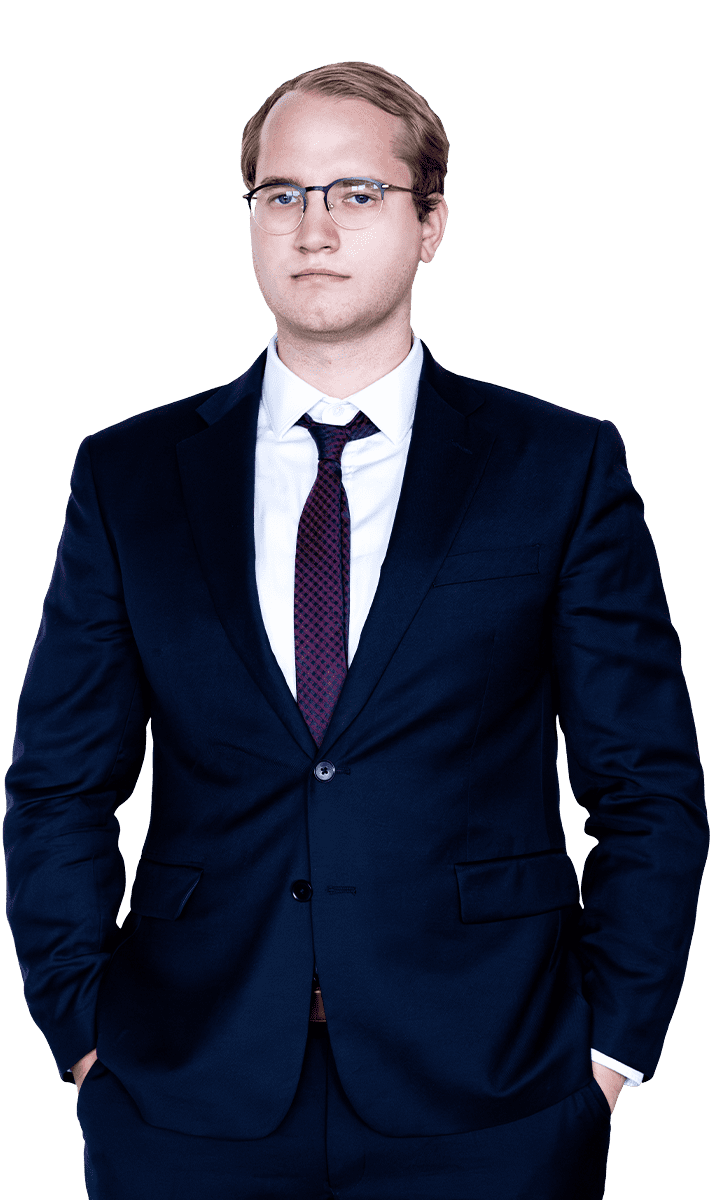
Pavel Kos
Pavel Kos
Pavel Kos has headed COREDO's legal team since June 2017 and has deep specialization in financial licensing across European jurisdictions. His expertise covers obtaining EMI Licences, Banking Licences, and other financial permissions. Pavel works with regulators across various countries and possesses practical experience in interactions with national financial supervisory authorities.
Gregory Lutsenko
Gregory Lutsenko
When obtaining a trust licence, AML/CFT compliance support may be required. Gregory Lutsenko's team provides full setup of identification and monitoring procedures in accordance with AMLD6 and FATF requirements.
Alena Mach
Alena Mach
Executive Director
Nikita Veremeev
Nikita Veremeev
Founder & NED

Frequently Asked Questions

What is a trust fund and how does it differ from a trust?

A trust fund usually means a trust — a structure in which a trustee holds and manages assets for the beneficiaries or for a purpose set by the settlor. In common-law countries it is a trust, not a fund in the sense of a legal entity. In the Czech Republic the equivalent is the svěřenský fond (§ 1448 et seq. of the Civil Code): the settlor sets aside assets, and the trustee undertakes to hold and manage them.

We will help you understand which form suits your goal and the law of the chosen country.

Do you need a licence to set up a trust?

As a settlor, usually not: a licence is needed by whoever acts professionally as trustee of other people’s trusts. In Switzerland this is a FINMA licence under FinIA, in Cyprus a CySEC licence under Law 196(I)/2012, in Singapore a MAS trust business licence, in Malta MFSA authorisation. In the Czech Republic and the United Kingdom, trusts are registered, not licensed.

Why does a trust in the United Kingdom not need a licence?

UK law does not license trusts or place them under the FCA. The duty is a different one: the trustee registers the trust with the Trust Registration Service (HMRC) within 90 days of the trust’s creation or of it becoming liable for tax. In England and Wales, the Trustee Act 2000 requires the trustee to act with reasonable care and skill.

How much capital does a trust company need?

It depends on the country. In Switzerland — CHF 100,000 of paid-in capital (Art. 22 FinIA), in Malta — EUR 15,000 of minimum capital for a professional trustee, in Singapore — SGD 250,000 of paid-up capital or qualifying assets. A federal trust company in Canada needs at least CAD 5,000,000 (s. 56(1)(b) of the Trust and Loan Companies Act).

For Cyprus and Liechtenstein, we check the amount against the current act for your project. For registering a trust in the Czech Republic and the United Kingdom, the law sets no minimum capital.

How is a Czech svěřenský fond created?

The settlor sets aside assets by a contract or a disposition upon death and entrusts them to a trustee (§ 1448 of the Civil Code). A fund created by contract comes into existence on the day it is entered in the register of trust funds (§ 1451); a notary and a court take part in the process. No ČNB licence is needed.

We prepare the documents and support the entry in the register.

How much does COREDO's service cost and what does it include?

We calculate the fee individually: it depends on the jurisdiction and on whether a licence is needed or registration is enough. The service includes a consultation and the choice of jurisdiction, document preparation, registration or the application, and support until the authority decides.

You pay regulators’ fees separately, for example the MAS annual fee of SGD 4,000 in Singapore.

Contact COREDO

Ready to start work on a trust structure or a trust company licence where the law requires one? Contact the COREDO team for a consultation.

Email: info@coredo.eu · Tel.: +420 228 886 867 Office: K Cervenemu dvoru 3269/25a, Prague 3, 130 00, Czechia

    By contacting us you agree to your details being used for the purposes of processing your application in accordance with our Privacy policy.

    Related Services

    COREDO provides comprehensive financial licensing and compliance services. Together with a trust structure or a trust company licence, also consider:


    COREDO – EU Legal & Compliance Services Expert legal consulting, financial licensing (EMI, PSP, CASP under MiCA), and AML/CFT compliance across the European Union. Headquartered in Prague, we provide seamless regulatory solutions in Germany, Poland, Lithuania, and all 27 EU member states.